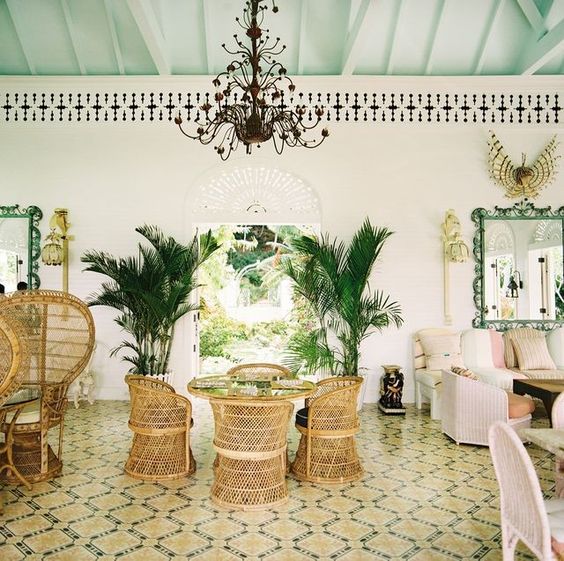
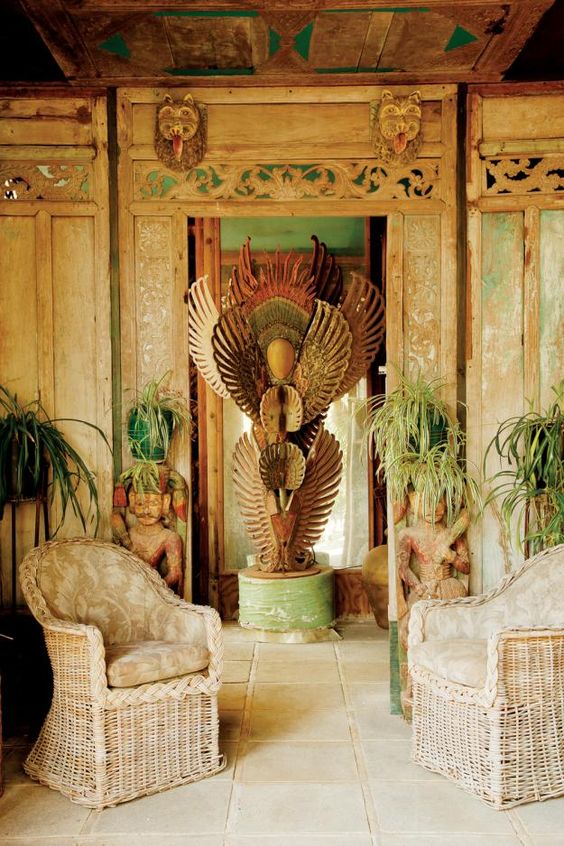
The Timeless Charm of Bamboo

By Lorenzo Bassetti

“If you can’t build it out of bamboo, then maybe you can’t build it,”, goes an ancient oriental saying. This is because bamboo is an extraordinary material, capable of combining style, functionality and sustainability.

An Ancient and Surprising Plant
Often mistaken for a tree, bamboo is actually a herbaceous plant with over a thousand different varieties. Its history is very ancient: for over five thousand years it has been used in the East and in many other parts of the world as a building material. Lightweight, resistant, ecological and incredibly versatile, bamboo has been used to make homes, utensils, tools, and soon became the raw material of the most sophisticated international design. Starting from the Ming Dynasty, in the 14th century, bamboo began to characterize the intimacy of Chinese domestic life with its warm and natural elegance. In the 17th century, with colonial expansion, it arrived in Europe through the ports of Holland and England, conquering the taste of a refined clientele, together with its ideal complement: rattan.
Symbol of Elegance and Refinement
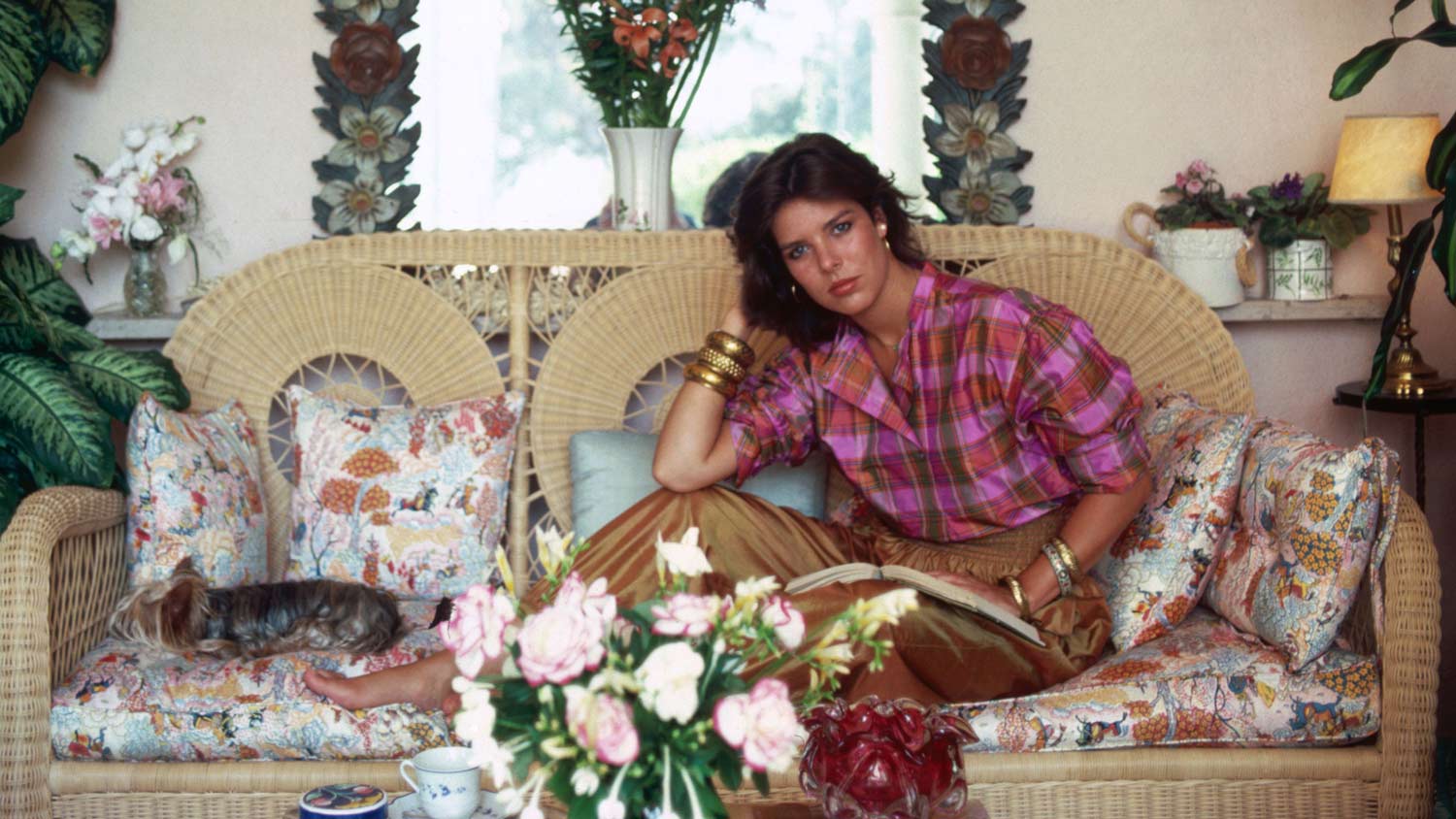
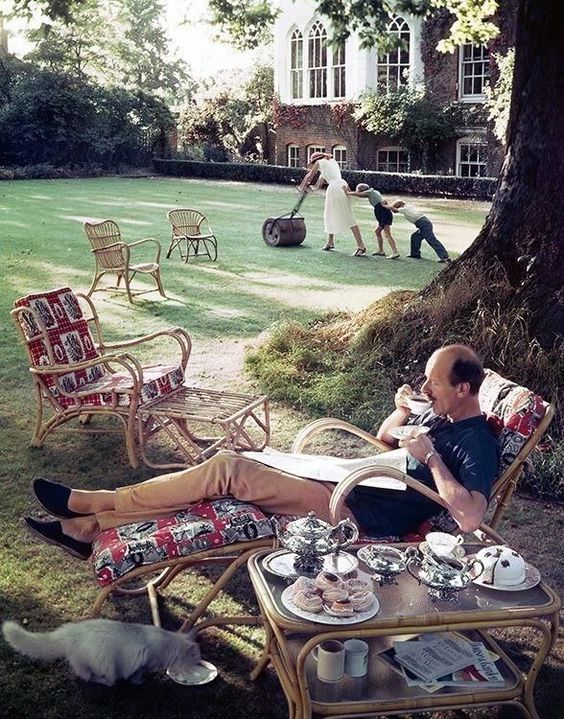
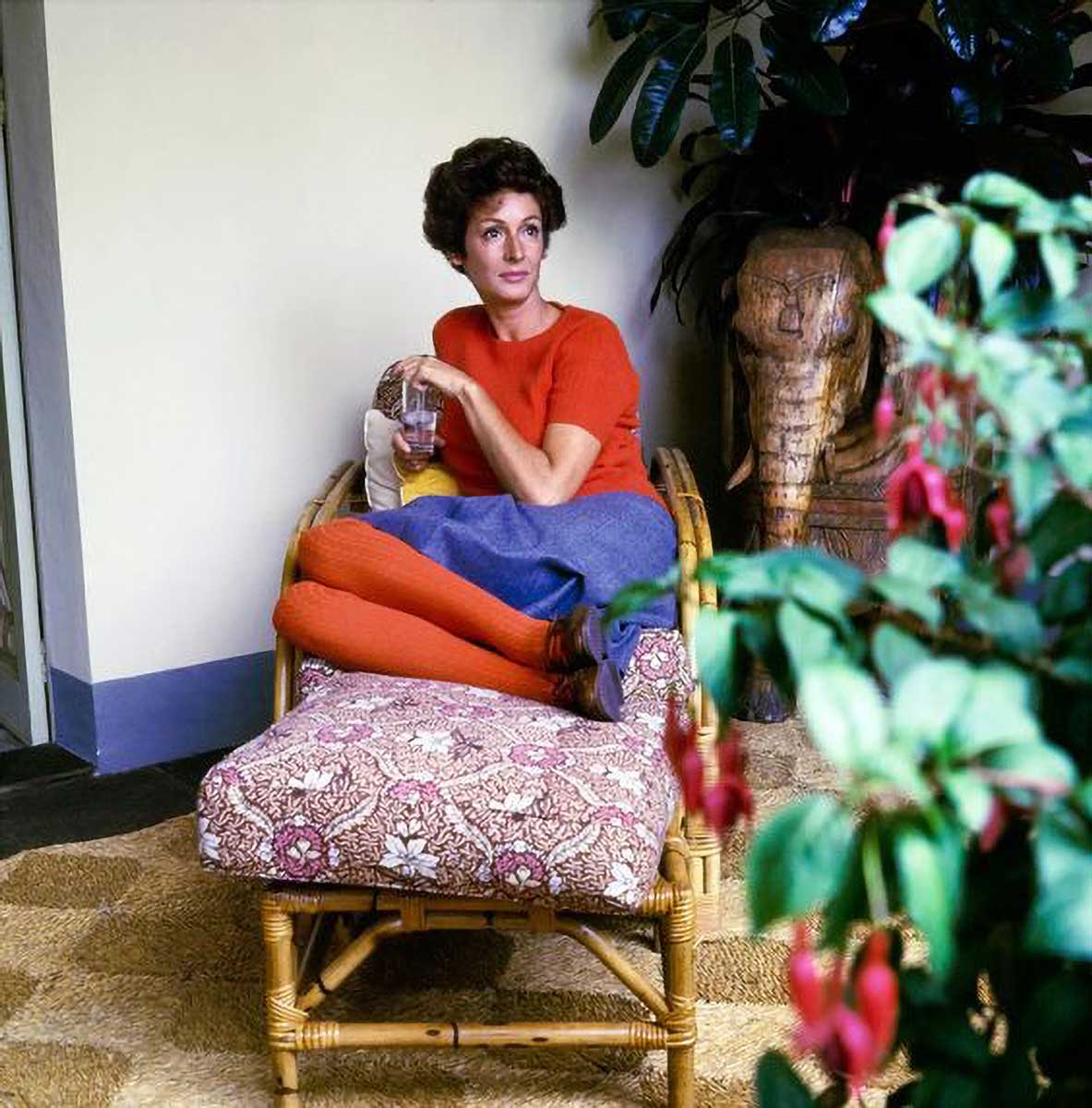
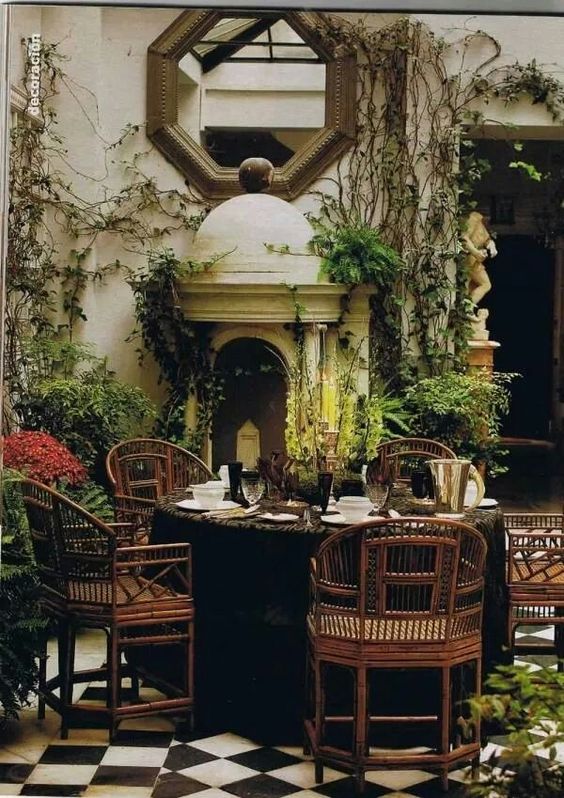
Simplicity and flexibility, lightness and resistance, naturalness and versatility, geometry and baroque vortex in the lines of every piece of furniture: these characteristics have made bamboo the protagonist of the most exclusive noble and bourgeois homes. From greenhouses to gardens, from hotels to yachts, up to Hollywood sets and villas, bamboo has become an iconic design element. It is no coincidence that the world of cinema and photography have often immortalized this material, creating an aesthetic in which luxury and naturalness meet. Greta Garbo, for example, posed next to a bamboo plant, in an image that tells the story of the encounter between her cold sophistication and the purity of nature.
Bamboo in the World of Culture and Entertainment
The use of bamboo in furniture has spanned eras and styles, from the 1930s to the 1980s, becoming synonymous with timeless elegance. Celebrities and artists have chosen it for their environments: Rita Hayworth, Salvador Dalì, Elizabeth Taylor, Pablo Picasso, the English Royal Family, the Kennedys, Grace Kelly and Caroline of Monaco, Monica Vitti and Claudia Cardinale, Tennessee Williams, Marella Agnelli, Graham Sutherland, Diana Vreeland and Diane Von Furstenberg, Oscar De La Renta, Donna Summer, Cher are just some of the names linked to this trend. Even the masters of the lens of the twentieth century, such as Horst P. Horst, Cecil Beaton, Henry Clark and Slim Aarons, have contributed to spreading the iconic image of bamboo, transforming it into a symbol of sophistication and harmony.
The Philosophy of Bamboo
In addition to its aesthetics and functionality, bamboo embodies a philosophy of life. An ancient oriental teaching states: “Be like bamboo: hard and compact on the outside, soft and hollow on the inside. Its roots intertwine with those of other plants to strengthen and support each other. The stem lets the wind hit it and, instead of resisting it, it bends. What bends is much more difficult to break.” Be like bamboo: hard and compact on the outside, soft and hollow on the inside. Its roots intertwine with those of other plants to strengthen and support each other. The stem lets the wind hit it and, instead of resisting it, it bends. What bends is much more difficult to break.

Discover the products in Bambu by Editions Molto Collectibles